"I Reported It Last Month." What Happens When Nobody Follows Up?
When you ask people to raise concerns, you're making them a promise. What happens next decides whether you keep it.
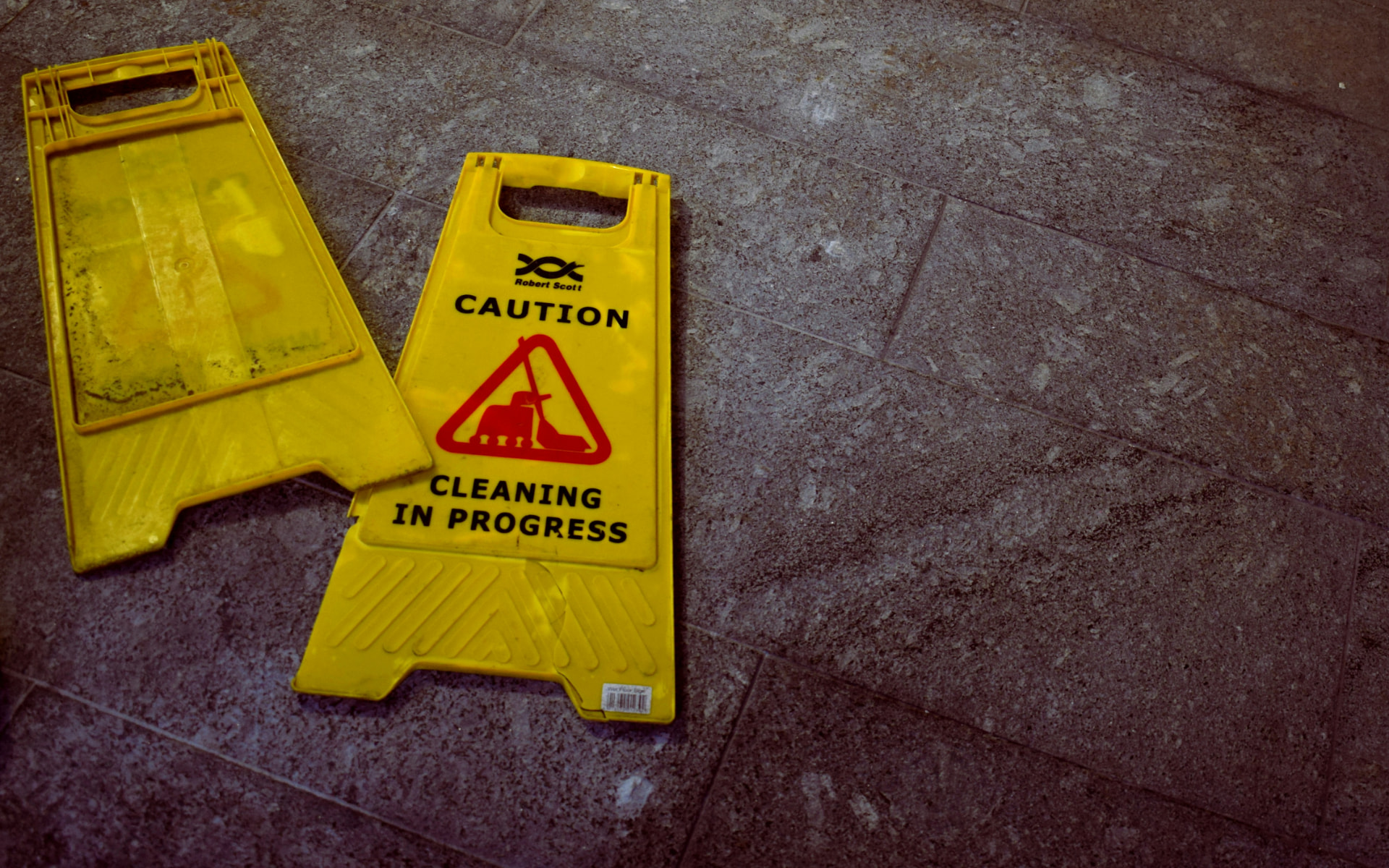
Here's a scenario most of us will recognise. Someone notices a damaged patch of flooring by a busy doorway and reports it.
A week later it's still there. A colleague points it out. The reply comes back, slightly weary: "I reported it last month."
Maybe a repair has been booked. Maybe nobody's sure whose job it is. Maybe the report is sitting at the bottom of a queue.
From where the employee is standing, it makes no difference which. They spoke up and nothing seems to have happened. Even if work is going on behind the scenes, that gap matters, because it's the gap that decides whether they bother next time.
A receipt isn't a response
An automatic "thanks, we've received your report" tells someone their message arrived. It doesn't tell them whether anyone thinks it's a problem, or what happens now.
A real response covers who's dealing with it, what precautions are needed in the meantime, and when they'll hear more. Some things need sorting today. Others need investigating, a specialist or a planned repair. Either way, the person who raised it should keep hearing about it until it's closed.
HSE's guidance on consulting employees recommends giving feedback, explaining decisions and responding to concerns within a set time. It sounds obvious, but it's easy to let slide when things get busy.
Someone has to own it
Reports have a habit of drifting between departments. Maintenance needs sign-off. The supervisor assumes facilities have it. Facilities are waiting for more details. Everyone's doing their bit and nobody's doing the whole thing.
Giving each issue a named owner cuts through that. They might need to pull in three different teams, but there's one person to ask how it's going, and a clear route to escalate if it stalls.
AI can help leaders review what still needs attention. With SQ Sidekick, they can ask about open cases, ageing records and actions with no recent updates, then use that information to guide a follow-up conversation. Assigning a suitable owner, setting a deadline and deciding when to escalate still require clear responsibilities and human judgement.
That lets leaders swap "How many reports did we get?" for a much better question: "Which important concerns are still open, and what's holding them up?"

Closed means checked
Back to that floor. A repair job might be marked complete. Someone still needs to go and look, to make sure the area is safe to use and the original problem has actually gone.
It often helps to involve the person who raised it. They know exactly what they were worried about, and they might spot that the repair has created a new trip hazard, or that the same damage is starting a few metres along.
Then tell them how it ended. A short note saying what was done, and that it's been checked, goes a surprisingly long way. Agree who will give that update and make it part of closing the report, rather than assuming someone else has done it.
Let people see it
Some organisations run a regular "you raised this, here's what happened" round-up. Done well, and with an eye on privacy, it shows people their reports go somewhere. It's also a chance to explain why some fixes take longer and what's keeping people safe in the meantime.
It's worth asking yourself honestly: does every significant concern have an owner, do people hear back while things are still open, and does "closed" include someone checking the result?
The person who reports a problem has already done something useful. A clear response is what makes sure they report the next one too.
See how SafetyQube keeps every report moving and every reporter in the loop. Book a free demo.