The Repair Is Routine. The Risks May Not Be.
Two men were injured while replacing a leaking seal at a food factory. It's a reminder that familiar maintenance jobs can hide unfamiliar dangers.
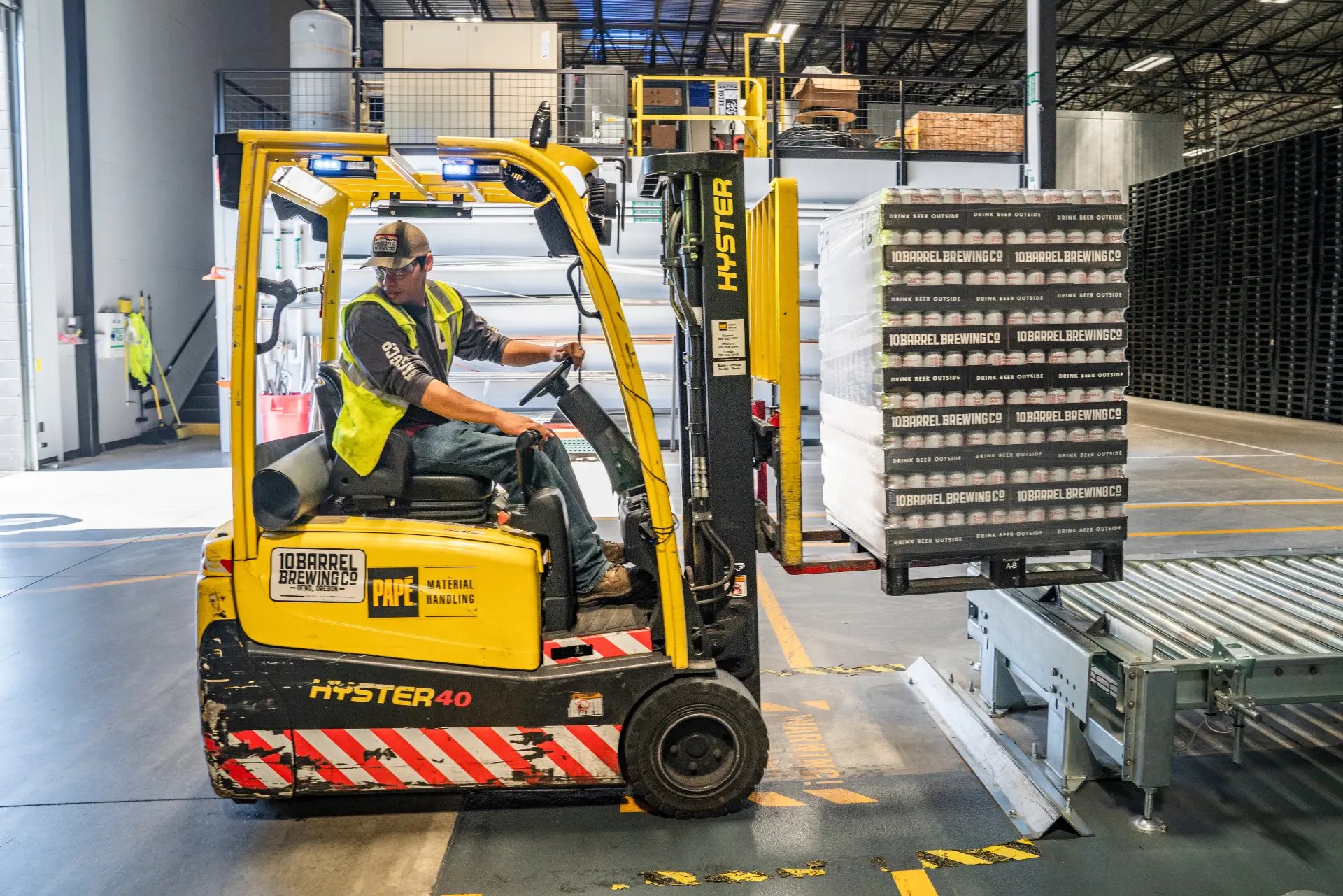
It should have been a straightforward job. An employee and a contractor were replacing a leaking gasket, the seal in a pipework joint, at a food factory in Melton Mowbray.
The pipework carried steam and sat above a boiler. Their raised platform didn't quite reach, so they stepped off it and stood on the boiler instead.
When the gasket came out, hot water came with it. Both men were scalded.
The HSE Executive found the task hadn't been properly assessed and there was no documented safe method. Isolation and lock-off procedures weren't used, fall protection was inadequate, and supervision and checks fell short.
The food manufacturer pleaded guilty and was fined £594,000 on 4 September 2026.
Two dangers, one plan
There were really two separate hazards here. One was the hot water in the pipe. The other was where the men had to stand to reach it.
It's easy to plan the repair and forget about the getting-there. But a method that tells you how to swap a gasket and says nothing about safe access is only half a plan.
Before a job like this starts, it's worth someone asking a few plain questions. Can we actually reach this safely? What comes out when we open it up? Does what's written down match what we're looking at? Sometimes the honest answer is that the work needs a different approach, and it's far better to find that out on the ground than halfway up a boiler.
Stopped is not the same as safe
Switching something off doesn't make it harmless. A pipe can still be full of pressure or hot liquid. A machine can still have parts that move when you least expect them to.
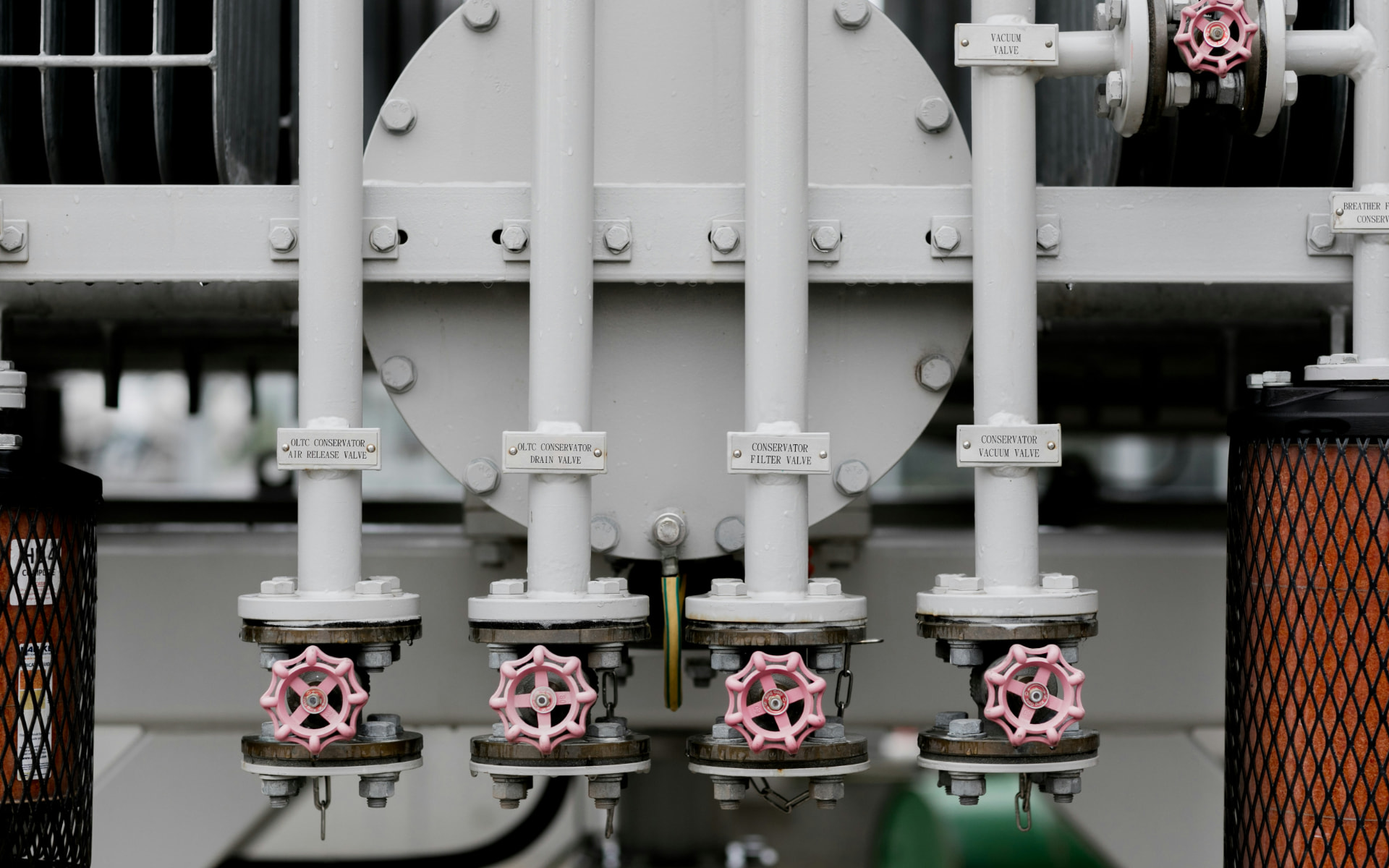
That's what isolation is for: cutting the equipment off from whatever makes it dangerous, so people can work on it. Lock-off then makes sure nobody can undo that isolation by accident while the job is under way.
How you do it depends on the equipment, and it needs a competent person to decide, including how to deal with any pressure or heat left in the system. Crucially, someone should check the isolation before anyone starts. A closed valve or a pressed stop button is a good start, not proof.
Everyone working from the same page
These points are wider lessons for maintenance work, not a full account of what happened at the food factory.
When a contractor is involved, knowledge tends to be split. They know the repair. The site team knows the plant and what else is running around it. Before work starts, both sides need to agree who controls the equipment, who checks the precautions, and who signs it back into service afterwards.
If the job needs a permit, the permit should capture those checks and responsibilities. But a signed form isn't the same as understanding, so make sure the people with the tools know what it says.
Supervisors have a part to play too. If the platform can't reach, the workers need an obvious, no-blame way to stop and get the right kit or a revised plan, rather than finding a creative solution on the spot.
Make stopping the easy option
Nobody on a maintenance team should feel they have to improvise because the plan didn't survive contact with reality. Agree in advance who they call, how problems get sorted, and which changes mean the job gets reassessed before it carries on.
The tools come out last. Safe access, checked isolation and a plan everyone understands are part of the repair, not paperwork that comes before it.
SafetyQube brings risk assessments, permits and contractor records together in one place. Book a free demo to understand how.
Sources and further reading
- HSE case report, published 16 September 2026; sentenced 4 September 2026
- HSE: The safe isolation of plant and equipment (HSG253)