Nobody Got Hurt. So What Did We Learn?
When a close call ends well, it's tempting to shrug and move on. The better question is what stopped it ending badly.
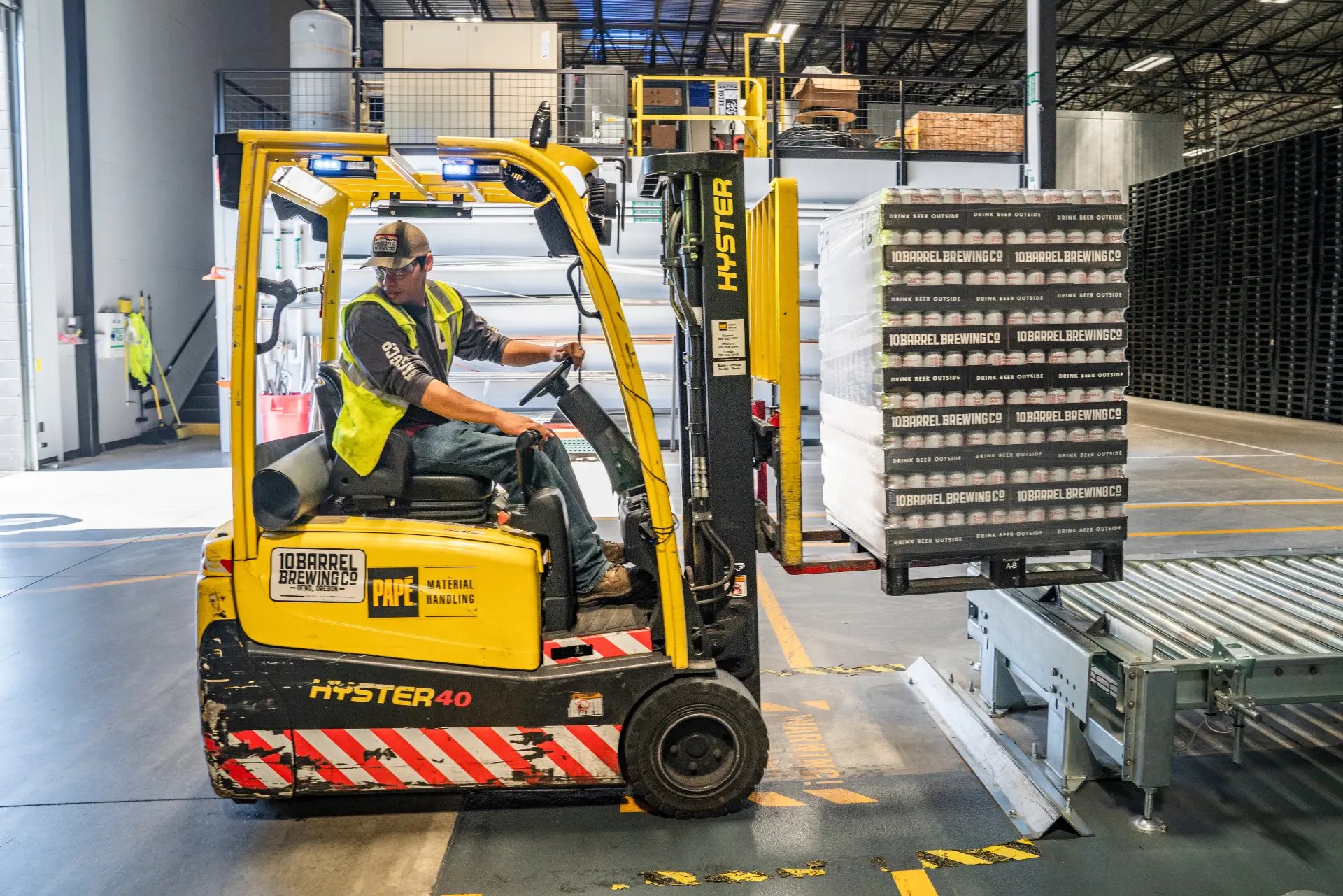
You've probably seen something like this. Someone walks into the loading bay just as a truck starts reversing. The driver brakes hard. The pedestrian jumps back. There's a quick "sorry, didn't see you" and everyone gets on with their morning.
Nobody's hurt. Nothing's damaged. By lunchtime it's a story someone tells in the canteen.
But for a second or two, two people were much closer to a serious accident than either of them meant to be.
So here's the question for your organisation. Would you even hear about it? And if you did, what would you do with it?
What actually stopped it?
A close call often shows you something a routine inspection missed. Maybe the walkway was blocked that morning. Maybe a delivery turned up early. Maybe the driver's mirror just doesn't cover that corner.
That's the useful part. Knowing that a near miss happened is fine; knowing why is what lets you fix it.
HSE's guidance on managing health and safety includes looking into near misses to understand why controls failed and what needs to improve, so the same thing doesn't happen again.
That doesn't mean every report needs a two-hour meeting and a file thick enough to prop open a fire door. It needs enough attention to answer three things: what happened, what could reasonably have happened, and whether the conditions that caused it are still there.
Make it worth speaking up
Think about what happens when the first thing someone hears is "Why weren't you looking?"
It might be a fair question eventually. Asked first, though, it shuts the conversation down before anyone has looked at the layout, the workload or how vehicle movements are organised. And it teaches everyone watching that reporting gets you in trouble.
"Talk me through what happened" works much better. It lets the person explain how the job is really done, which you can then check against everything else you know.
It also helps if reporting is easy. If logging a near miss means finding a form, a desk and fifteen spare minutes, most won't get logged. Mobile reporting can help people record a concern where they see it, rather than waiting until they reach a desk. The important thing is to capture enough detail for someone to understand what happened and follow up.
And people need to see something come of it. If they raise a concern, they should be able to find out who's dealing with it and what changed.
Look past the number
Ten near-miss reports are ten chances to learn something. But the total on its own tells you very little about how much risk you're carrying.
One report might reveal the potential for something truly serious. Five small ones might all point to the same underlying problem. And a rise in reports could mean things are getting worse, or simply that people finally feel comfortable speaking up. Often it's a bit of both.
This is where AI can support a review of the records. SQ Sidekick lets teams ask questions about their safety data, explore common event types and themes, and compare activity over time or by site. Those views can help a reviewer decide which reports to examine more closely. They are not a substitute for reading the underlying evidence or assessing how serious an event could have been.
The questions worth asking at management level are pretty simple. Which events could have hurt someone badly? Are we seeing the same circumstances again and again? And have the changes we made actually been checked?
Nobody getting hurt is good news. Working out why is how you make the most of it.
Related reading: Health & Safety Metrics, Part 2: Near Misses in Metrics.
See how SafetyQube makes near-miss reporting quick for your teams and useful for your leaders. Book a free demo.