When the Workplace Changes, the Safety Plan Must Change Too
Take up the floorboards and you change more than the building. You change where people can safely stand. A fatal refurbishment shows why a plan has to follow the job stage by stage.
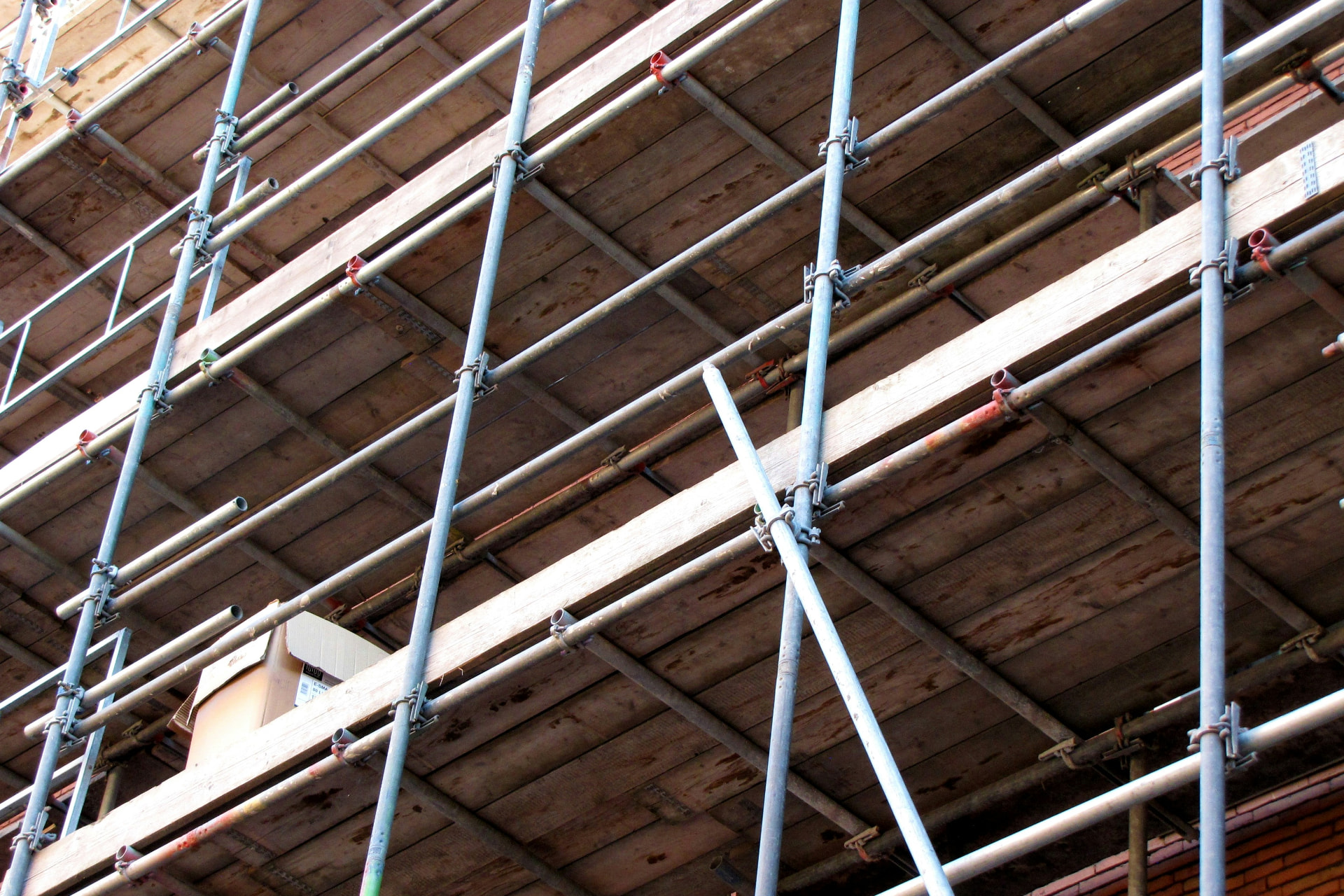
On 30 August 2022, a carpenter was replacing damaged floor joists, the beams that hold a floor up, at a property in Gloucestershire.
Around him, other workers were lifting floorboards. Gaps were opening up. Some joists were missing; others weren't fixed in place.
The carpenter, who was 59, fell from the first floor onto the concrete below. He died in hospital the next day.
The HSE team and police found the work hadn't been properly planned or supervised. People could walk into areas with no real protection against a fall, and every board that came up made those areas more dangerous.
The construction company pleaded guilty to breaching work-at-height regulations and was fined £120,000 on 24 September 2026.
The job changes the workplace
What strikes us most about this case is how the danger grew as the work went on. On day one, the first floor was a floor. A few hours of stripping later, it was something else entirely.
That's true of a lot of work, not just refurbishment. A delivery parks across a walkway. A guard comes off a machine so it can be repaired. A trench appears where people used to cut across the yard. In every case the job itself creates a new hazard, and the plan has to get there before a person does.
So a good plan doesn't just describe the task. It describes what the workplace will look like at each stage, and who can be where, and when.
Can you do it differently?
HSE guidance on working at height starts with a simple question: do you need to be up there at all? If you can't avoid it, the next step is to stop people falling, and to reach for things that protect everyone, like guardrails, before things that protect one person, like a harness.
In other words, look at the method before you look at the precautions.
In this case, HSE reported that the revised approach was to fit the joists from below, using suitable equipment, and to keep people off the first floor altogether. The danger didn't need managing anymore, because nobody was standing in it.
Handovers matter
The rest of this piece is general advice rather than a full account of the refurbishment.
When one team is about to change a work area, it's worth agreeing up front what the next team will walk into. Who checks it's ready? Which barriers stay up? Who tells everyone else that an area is now off limits?
A proper handover stops someone walking in on the assumption that nothing has changed since they were last there. And don't forget the people who aren't part of the job at all, the ones cutting through or working next door. They're often the least likely to know.
When the site surprises you
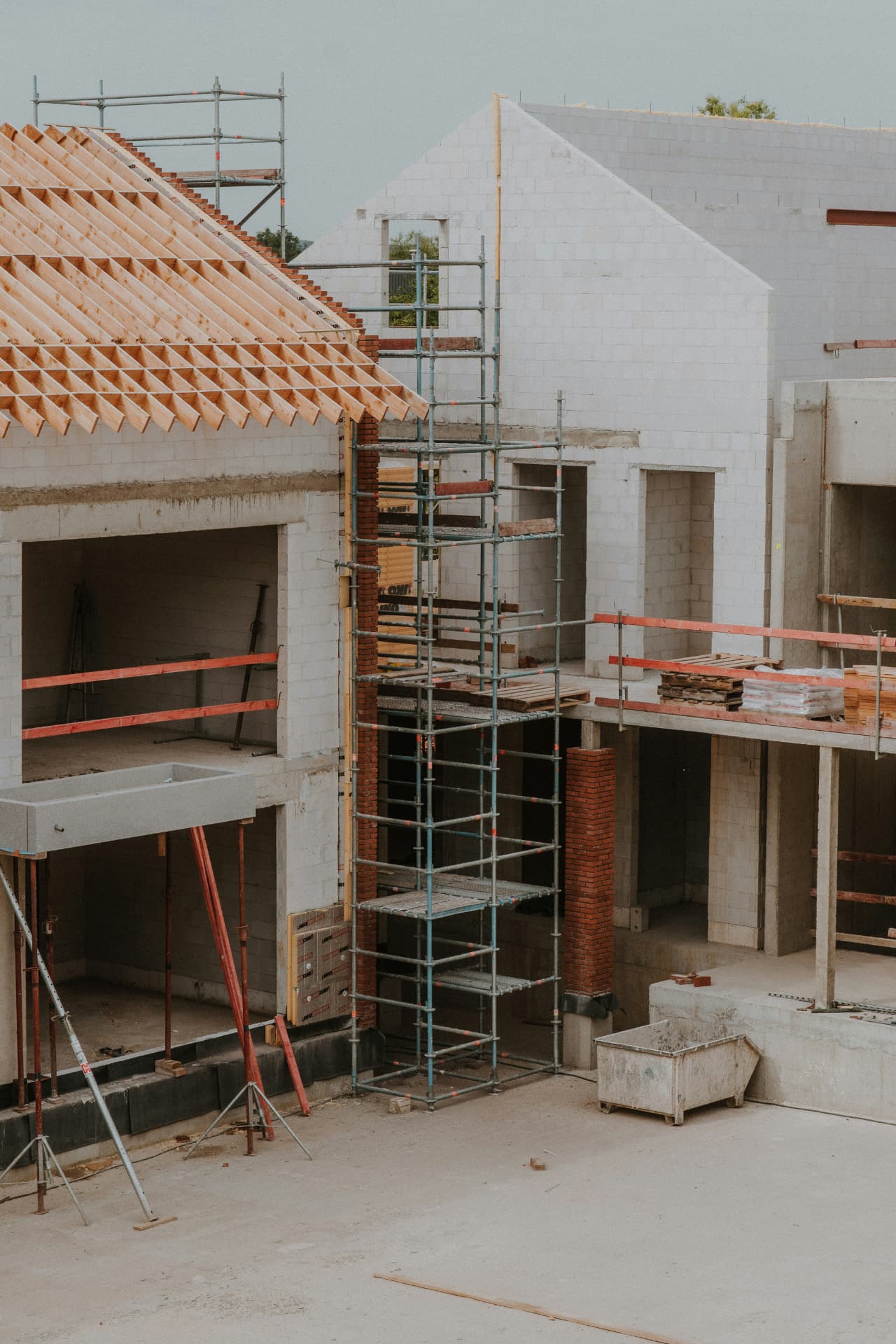
Some changes you can plan for. Others only show up once the work starts: a surface that isn't as solid as it looked, an opening nobody mentioned, an access route that turns out to be unusable.
When that happens, workers need to know exactly who to tell, and supervisors need the authority to pause that part of the job and put protection in place. Five minutes of conversation at that point, about what's changed and whether the method still holds, can make all the difference.
A useful habit for any supervisor is to ask, at the start of each stage: what new dangers will this create, who could be affected (including people outside the team), and who's checking the precautions before we carry on?
A safety plan should describe the workplace people will actually walk into. When the work changes that workplace, the plan has to change with it.
SafetyQube helps teams keep risk assessments and inspections up to date as work moves on. Book a free demo.
Sources and further reading
- HSE case report, published 2 October 2026; sentenced 24 September 2026
- HSE: Introduction to working at height safely