The Close Call That Came Before the Tragedy
A falling window narrowly missed two workers. More than a year later, another killed a man walking below. What can organisations learn from the warning that came first?
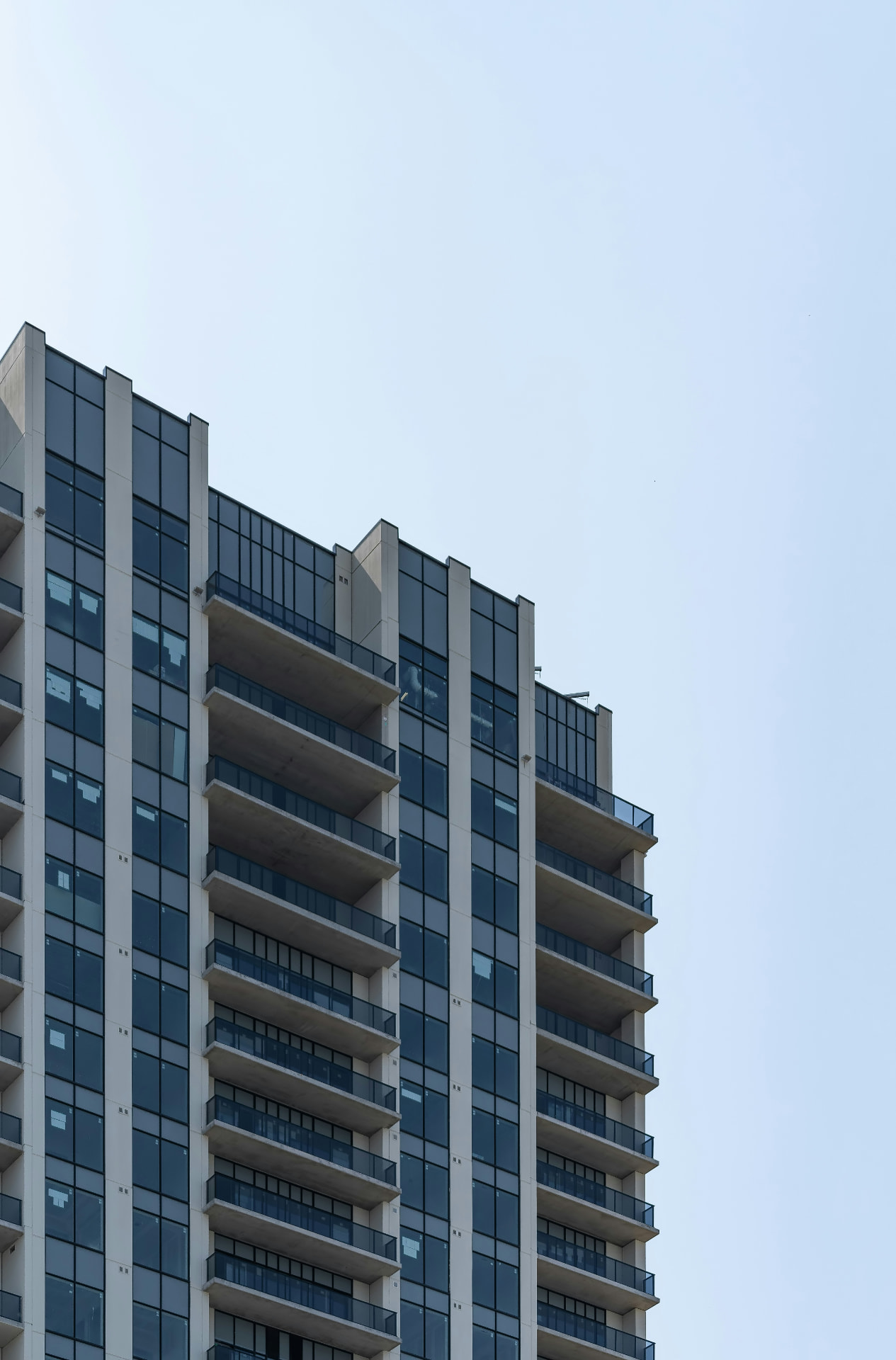
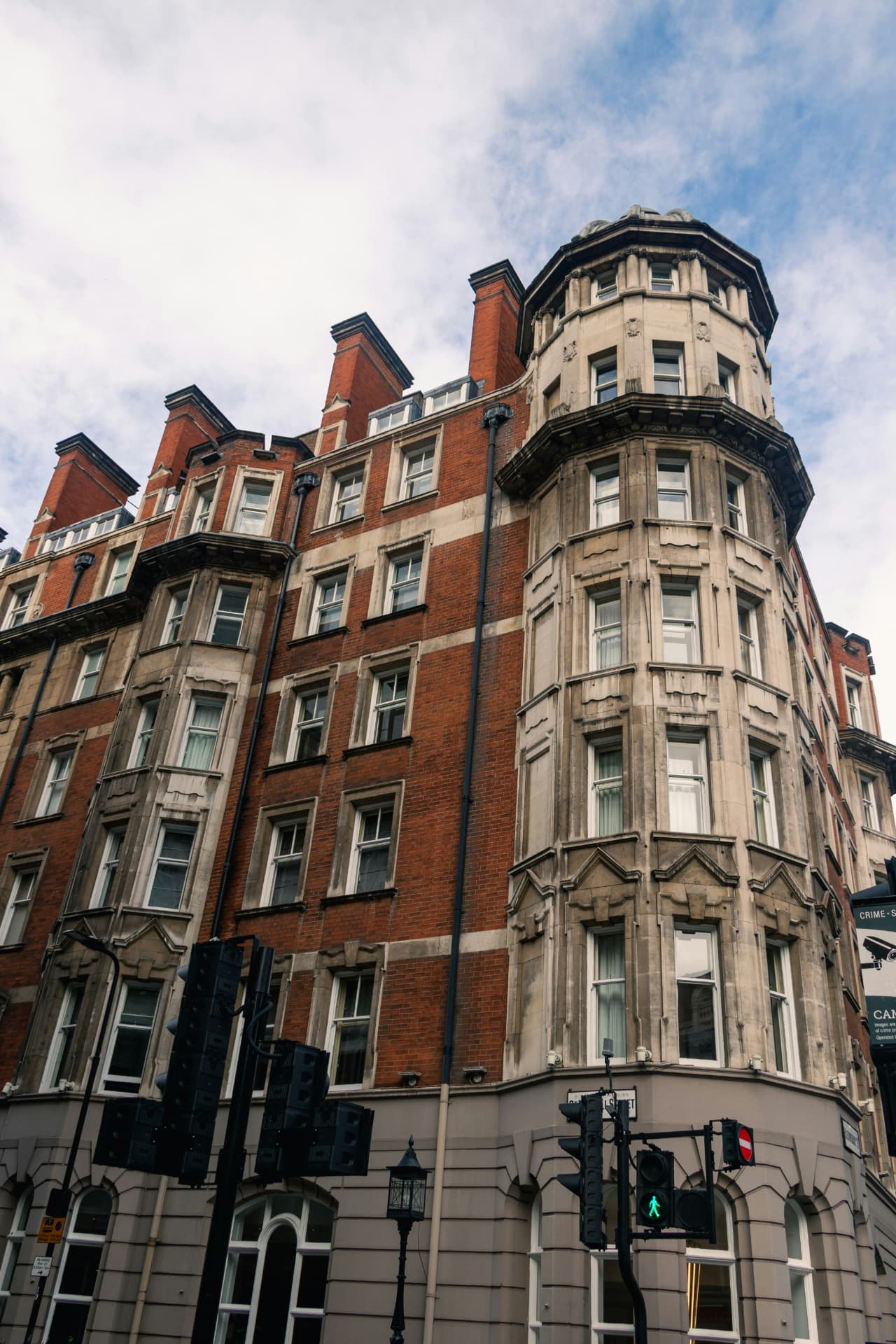
A coach driver was walking back to his coach in London on 2 October 2018 when a window fell from the 26th floor of a high-rise residential development and killed him. He was 53.
It wasn't the first time. In August 2017, an open window had come away from the same penthouses in windy weather and landed close to two workers. Nobody was hurt.
There was an internal review after that first incident. But according to the Health and Safety Executive (HSE), the concerns it raised were never properly followed through.
On 24 September 2026, the property developer and the specialist window designer were fined a combined £1.3 million.
A sign on the wall
During the design stage, the windows had been changed to open outward instead of inward. HSE found the risk of that change was never properly assessed. If a window detached, there was nothing to stop it falling onto the pedestrian area below.
The response, in part, was a sign asking residents to keep the windows closed. HSE was critical of that, and you can see why. The danger stayed exactly where it was. The only thing standing between it and the street was someone remembering to read a notice.
After the coach driver died, the windows were redesigned to open inward.
Most of us will never manage a 26th-floor penthouse. But we all have our own version of the sign on the wall: the toolbox talk, the reminder email, the "please take care" laminated next to the hazard. Sometimes that's all a situation needs. Often it isn't.
Judge it by what could have happened
A near miss is, by definition, an event where nobody got hurt. That's exactly what makes it easy to underrate.
Picture a heavy load dropping a metre from someone's feet. Had they been standing slightly differently, you'd be writing a very different report. The investigation should be sized to that version of events, not the lucky one.
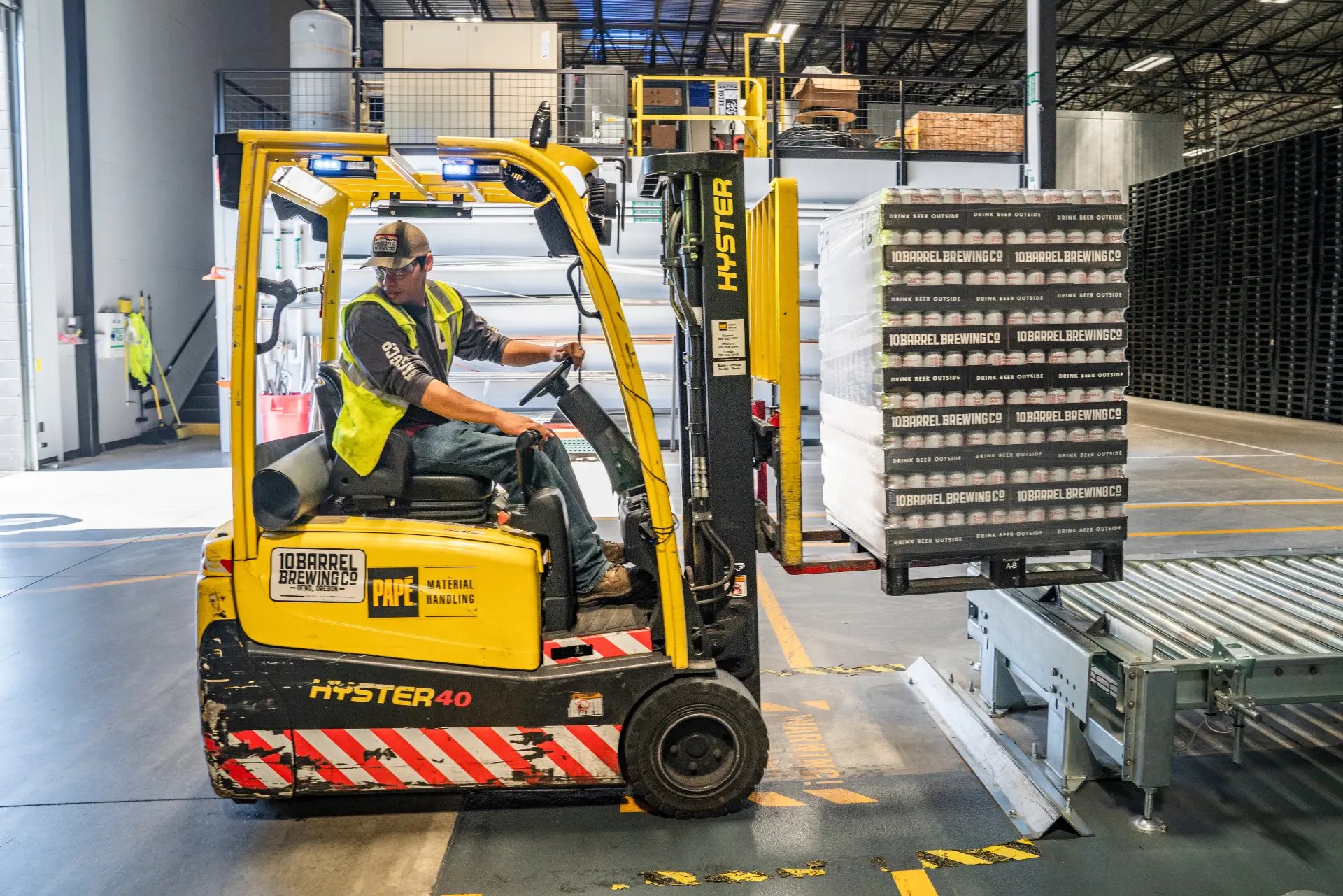
The same goes for the forklift that stops just short of a pedestrian, or the machine that moves unexpectedly while someone has their hands near it.
What a good response looks like
These are wider lessons, not a reconstruction of what happened at the development.
Start by protecting anyone who could still be hurt. That might mean stopping the job, taking equipment out of use or fencing off an area while you work out what went wrong.
Then put one person in charge of the response. Not a committee, not "the team". Someone with the authority to get specialist help and push unresolved issues up to management.
And be honest about the fix. Ask yourself: if somebody forgets the instruction, could this happen again? If the answer is yes, keep going. A reminder to "look out for vehicles" in a warehouse still leaves people and forklifts sharing the same floor. Changing the layout to keep them apart does a lot more.
Don't let the first warning get lost
The uncomfortable part of this case is how long the gap was. More than a year passed between the first window and the second. In most organisations, that's long enough for people to move roles, for a review to sit half-finished in someone's inbox, and for the original report to become a line in a spreadsheet nobody opens.
AI is relevant here as a way to explore the records, not as a substitute for investigating a near miss. With SQ Sidekick, teams can ask questions about their safety data, explore recurring event types and themes, and review open cases or ageing records. For example, asking about recorded falling-object events over a period can help a team review whether the same type of concern is appearing repeatedly. Asking which cases remain open can help focus a follow-up discussion. The team still needs to check the underlying reports, assess what could have happened, decide on controls and verify that those controls work.
The value of AI is making information easier to explore. It does not establish the cause of an event or prove that a hazard has been made safe.
Related reading: Health & Safety Metrics, Part 2: Near Misses in Metrics.
Check the fix works
Finishing a repair or issuing a new procedure isn't the end. Somebody needs to go and look. That might be a specialist inspecting the work, or a supervisor watching whether the new method holds up on a busy Tuesday. Tell the people affected what has changed and how to flag it if something still doesn't feel right.
If you take anything from this case to your next management meeting, make it these: how bad could our recent near misses have been, what have we changed because of them, and who has checked that those changes work?
The first window at the development hit nobody. It was still a warning, and it deserved to be treated like one.
Want to see how SQ Sidekick helps you explore your safety records? Book a free demo.
Sources and further reading
- HSE case report, published and sentenced 24 September 2026
- HSE: Investigating accidents and incidents (HSG245)